
Discovering Eastview: A Neighborhood with Deep Roots
Nestled just east of Richmond’s bustling downtown, the Eastview neighborhood boasts a story as rich and layered as the city itself. Known for its enduring sense of community and pivotal role in Richmond’s African-American history, Eastview quietly stands as a testament to resilience, renewal, and the deep connections that bind neighbors across generations.
Origins: From Farmland to Community
Eastview’s land was once lush farmland on the city’s eastern rim in the late 19th century, gently sloping toward the James River and offering clear, panoramic views of the sunrise—hence the name “Eastview.” This prime location attracted individuals seeking opportunity as Richmond expanded after the Civil War. By the early 20th century, the area saw its first organized housing developments, with cottage-style homes lined along what are now 30th and Q Streets.
Naming the Neighborhood: Welcoming a New Day
The name “Eastview” was chosen during the neighborhood’s formal planning in the 1920s. Residents and developers alike were inspired by sunrise views over Chimborazo Park and the James River. The name symbolized both a literal vista—overlooking the eastern horizon—and a figurative one, as new residents hoped for brighter futures in the rapidly modernizing city.
Key Historical Milestones
- 1920s-1930s: Eastview saw its first major wave of home construction, primarily serving Richmond’s Black middle class during the era of segregation.
- 1940s: As World War II brought industrial jobs to Richmond, Eastview became a haven for African-American families seeking employment and community. Many of these families attended nearby Fourth Baptist Church on P Street, a community anchor.
- 1950s-1960s: During the Civil Rights Movement, Eastview’s churches and community halls became organizing spaces. The East End Library, located on 25th Street, provided crucial educational resources during this era.
- 1970s-Present: Though the neighborhood faced economic challenges and periods of decline through the mid-to-late 20th century, a revitalization effort in the early 2000s—bolstered by city investment—has fostered new growth and renewed community pride.
Landmarks and Institutions: Anchors of Memory
- Fourth Baptist Church (2800 P Street): One of Richmond’s oldest African-American congregations, it has served not just as a religious center, but also as a hub of civil rights organizing, education, and mutual aid for over a century.
- East End Library (1200 N. 25th Street): Opened in 1940 and renovated in the 21st century, this library has been a beacon of literacy, learning, and community events for Eastview families.
- Chimborazo Park (29th and E. Broad Street): Though technically to the west of Eastview’s traditional boundaries, this historic park—once a Civil War hospital site and now a scenic overlook—has long been a gathering spot for Eastview residents.
Street Stories: The Heart of Eastview
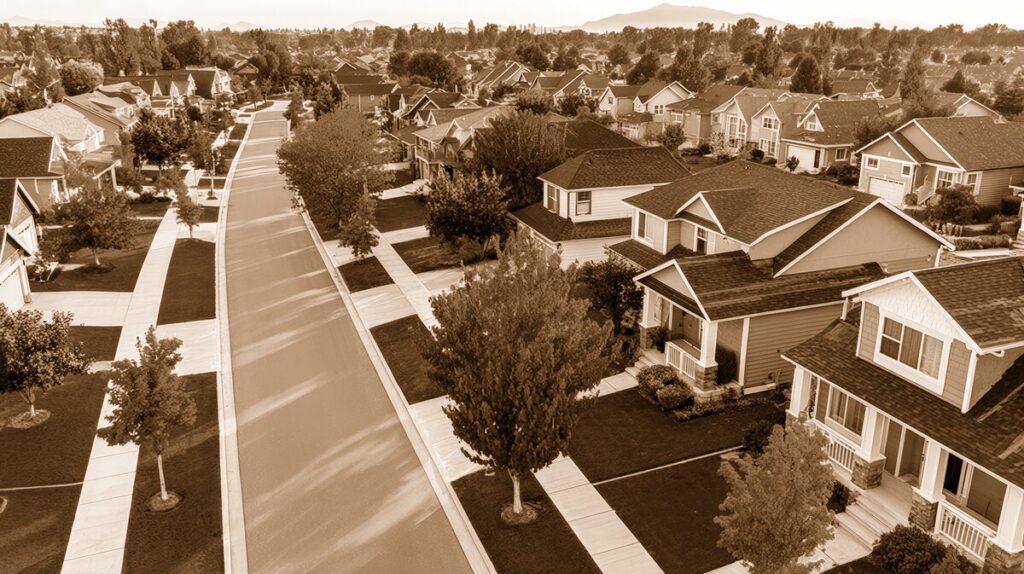
Stroll along Q Street or 32nd Street, and you’ll find a tapestry of homes ranging from classic bungalows to sturdy brick duplexes, many lovingly maintained by generations of the same family. Local lore recounts block parties from the 1950s, when children played stickball along S Street, and elders traded stories on weathered front porches.
Transformation and Resilience Through the Decades
While Eastview’s greatest challenges emerged as citywide population shifts and economic changes swept through Richmond in the 1970s and 1980s, residents leaned on communal networks. Block clubs, church committees, and neighborhood cleanup days kept community spirit alive.
In recent decades, Eastview has seen an influx of new investment, with rehabilitation projects along Nine Mile Road and upgrades to local public schools. The East End Transformation Plan—launched by the city—aimed to address outdated infrastructure while preserving the character of Eastview’s quiet, tree-lined streets.
Today, a new generation of homeowners joins longtime residents in celebrating Eastview’s unique blend of old and new. Youth programs at the neighborhood’s recreation centers, community picnics at Chimborazo Park, and advocacy for affordable housing ensure Eastview remains a place where opportunity and heritage go hand-in-hand.
What Makes Eastview Special
Ask any resident what makes Eastview special, and you’ll hear about the warmth of its people, the pride in its history, and the hope its name still inspires. Eastview’s journey—from sunrise-view farmland to a vibrant, ever-changing neighborhood—mirrors the story of Richmond itself: full of challenge, beauty, and the persistent promise of a new day.
Visit Eastview: Experience the Legacy
Whether you walk down Q Street to see houses cared for by the same families for decades, attend a community service at Fourth Baptist Church, or enjoy a panoramic sunset from Chimborazo Park, Eastview invites visitors to become part of its ongoing story—a story of vision, resilience, and community that continues to shape Richmond’s east side.